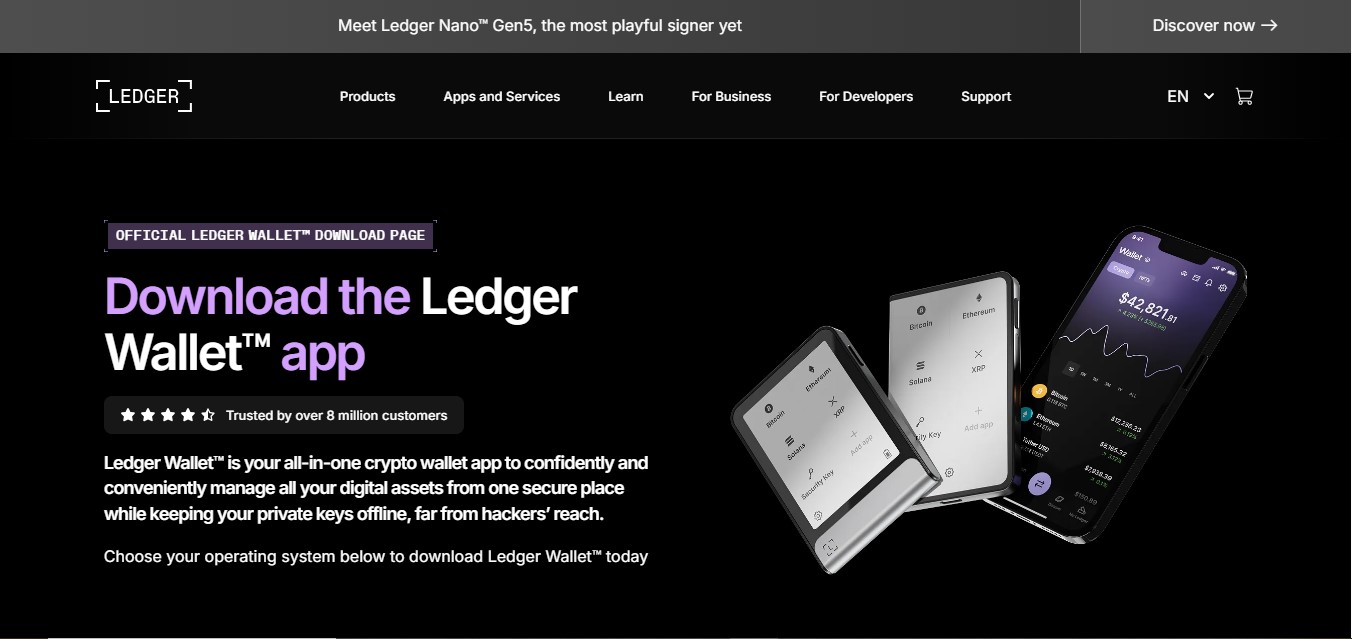
Ledger.com/Start® | Getting Started — Ledger
In the evolving world of cryptocurrency, security is not optional—it is essential. Hardware wallets like Ledger and Trezor have become the gold standard for safeguarding digital assets. This guide focuses on Ledger.com/Start® | Getting Started — Ledger, while also referencing popular alternatives such as Trezor Login, Trezor Suite, Trezor Bridge, and trezor.io/start for comparative understanding and keyword relevance.
Whether you are a beginner or an experienced crypto investor, learning how to properly set up and use your hardware wallet is critical to protecting your funds from hacks, phishing attacks, and online vulnerabilities.
What Is Ledger.com/Start®?
Ledger.com/Start® is the official onboarding portal provided by Ledger for setting up Ledger hardware wallets such as:
Ledger Nano S Plus
Ledger Nano X
By visiting the official page at https://www.ledger.com/start, users can securely download Ledger Live, initialize their device, set a PIN, and safely store their recovery phrase.
⚠️ Always ensure you are on the official Ledger website to avoid phishing attempts.
Why Choose Ledger Over Software Wallets?
Unlike software wallets that remain connected to the internet, Ledger hardware wallets store private keys offline, making them immune to online threats.
Key Advantages:
Offline private key storage
Secure Element chip technology
Support for 5,000+ cryptocurrencies
Integration with Ledger Live
Regular firmware updates
While alternatives like Trezor Login and Trezor Suite offer similar protection, Ledger stands out for its wider asset support and mobile compatibility.
Getting Started with Ledger.com/Start®
Step 1: Visit the Official Website
Go to https://www.ledger.com/start. This is the only safe source for setup instructions.
Step 2: Download Ledger Live
Ledger Live is the official app for managing crypto assets. It is available for:
Windows
macOS
Linux
iOS
Android
Never download Ledger Live from unofficial sources.
Step 3: Set Up Your Ledger Device
Connect your Ledger Nano device via USB or Bluetooth
Choose “Set up as new device”
Create a secure PIN
Write down your 24-word recovery phrase
This recovery phrase is the only way to restore access if your device is lost.
Ledger vs Trezor: A Comparative Insight
Many users also explore trezor.io/start, Trezor Login, and Trezor Suite while researching hardware wallets.
Trezor Ecosystem Overview:
trezor.io/start: Setup portal
Trezor Suite: Desktop & web interface
Trezor Bridge: Connectivity tool enabling browser communication
While Trezor Bridge is required for browser-based usage, Ledger relies on Ledger Live, eliminating the need for additional background services.
Understanding Trezor Login, Trezor Suite, and Trezor Bridge
Trezor Login allows users to authenticate securely without passwords using their hardware wallet.
Trezor Suite acts as a unified interface for crypto management.
Trezor Bridge ensures seamless communication between the device and web applications.
Although these tools are powerful, Ledger’s unified Ledger Live approach simplifies the process for beginners.
Security Best Practices for Ledger Users
Never share your recovery phrase
Avoid fake Ledger.com/Start® websites
Always verify URLs manually
Enable passphrase protection
Keep firmware up to date
The same principles apply to Trezor Login and trezor.io/start users.
Managing Crypto Assets with Ledger Live
Ledger Live allows you to:
Buy and sell crypto
Swap tokens
Stake assets
Track portfolio performance
Install blockchain apps
This makes Ledger.com/Start® not just a setup page, but the gateway to a complete crypto ecosystem.
Common Setup Mistakes to Avoid
Photographing your recovery phrase
Storing seed phrases digitally
Using unofficial cables or adapters
Installing fake Ledger Live apps
Confusing Ledger.com/Start® with phishing pages
Similarly, users visiting trezor.io/start should ensure they avoid fake Trezor Bridge downloads.
Ledger and Trezor Compatibility with DeFi & NFTs
Both Ledger and Trezor support:
DeFi wallets
NFT marketplaces
Web3 authentication
Ledger integrates seamlessly with MetaMask, while Trezor Login offers password-less Web3 access.
Final Thoughts
Ledger.com/Start® | Getting Started — Ledger is the safest entry point into secure crypto storage. While alternatives like Trezor Login, Trezor Suite, Trezor Bridge, and trezor.io/start provide robust solutions, Ledger’s all-in-one ecosystem and user-friendly interface make it a preferred choice for millions worldwide.
No matter which hardware wallet you choose, security begins with proper setup, official downloads, and personal responsibility. Your crypto is only as safe as the steps you take to protect it.
Frequently Asked Questions (FAQs)
1. What is Ledger.com/Start® used for?
It is the official setup page for Ledger hardware wallets.
2. Is Ledger.com/Start® safe?
Yes, if accessed via the official Ledger website.
3. Can I use Ledger without Ledger Live?
Ledger Live is recommended for full functionality.
4. What is Trezor Login?
A password-less authentication method using Trezor devices.
5. What is Trezor Suite?
An official interface for managing crypto assets with Trezor.
6. Why is Trezor Bridge needed?
It enables communication between Trezor devices and web browsers.
7. Is Ledger better than Trezor?
Both are secure; Ledger supports more assets and mobile use.
8. Can Ledger and Trezor be used together?
Yes, for diversified storage strategies.
9. What happens if I lose my Ledger?
You can restore funds using your recovery phrase.
10. Is trezor.io/start the official setup page?
Yes, it is Trezor’s official onboarding portal.